

Destinations · AUS
Australia
Australian universities offer a world-class education with globally recognised degrees, vibrant multicultural campuses, and a high quality of life for international students.
What you need to know
The Basics →
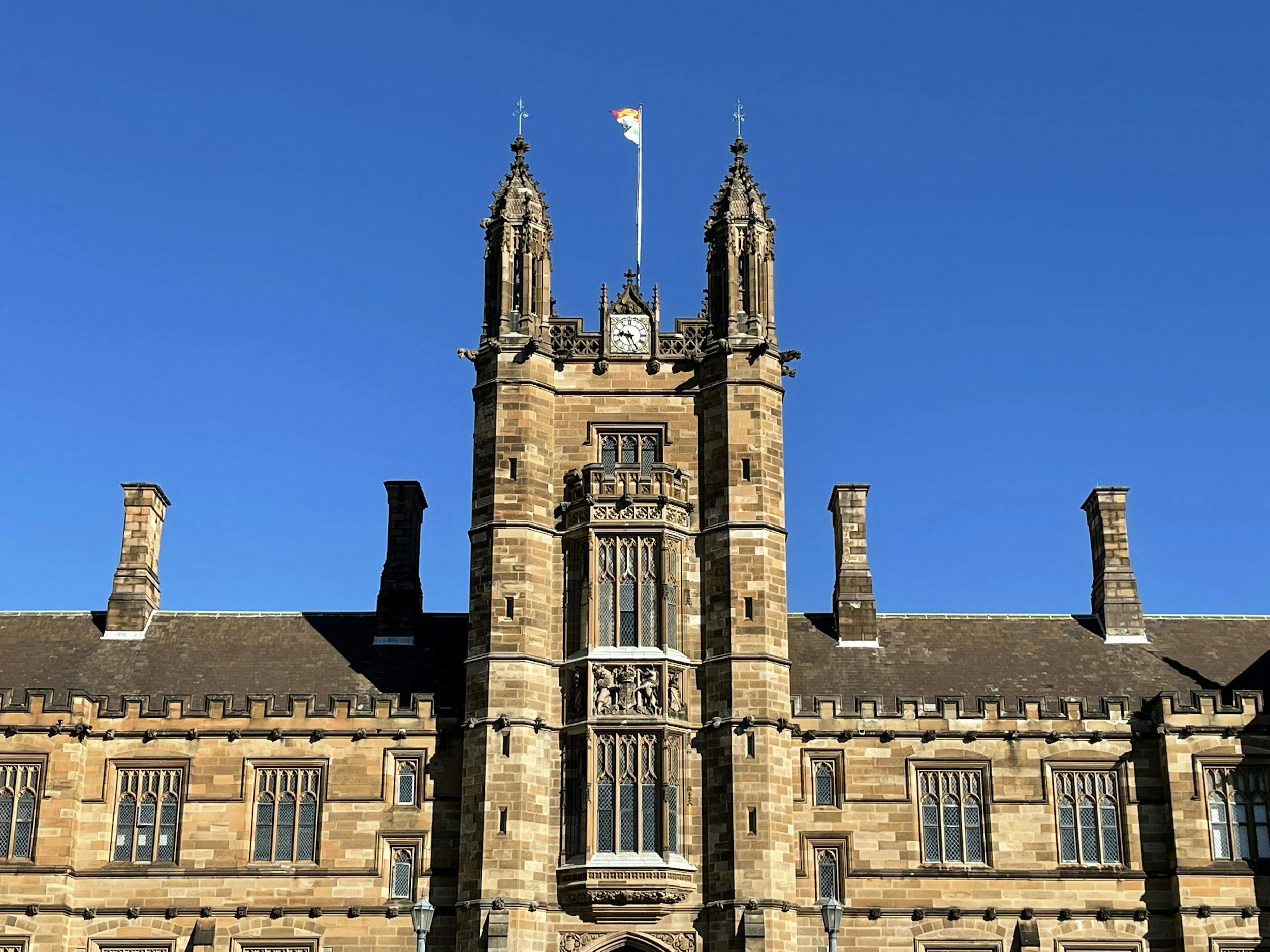
Degrees are globally recognised and highly valued by employers
Programs are mostly major-specific, with some general education options
Many, universities have student residential options, similar to a US or UK style campus, however all universities are primarily commuter campuses; careful selection enables a traditional UK or USA residential experience
Simple segue into post-graduate study
Safe, welcoming campuses with a multicultural student community
Bachelor’s degrees typically take 3–4 years to complete
Academic year begins September or October and finishes in May or June
Post-study work rights and clear pathways to permanent residency
Competitive tuition, scholarships available and value for money
Australia is renowned for it’s own research capabilities while also providing key partnerships with global research
The academic year begins in February, with mid-year (July) intake for some programs
Admission is primarily based upon academic achievement
Students can work up to 48 hours per fortnight (on or off campus) during study - one of the world’s most flexible student work arrangements
What’s right for you?
Types of Universities
Group of Eight (Go8)
Australia’s leading public research universities (e.g. University of Sydney, University of Melbourne, Australian National University, University of Queensland), known for academic prestige and global rankings.
Public Universities
The majority of institutions, funded by the government, offering a wide range of programs across every state and territory.
Private Institutions
A smaller group, including Bond University and Notre Dame, often with niche strengths and more personalised study environments.
Creative Arts Specialty Schools
Institutions dedicated to the visual and performing arts, film, design, and music (e.g. NIDA, Victorian College of the Arts, AFTRS, National Art School).
TAFE (Technical and Further Education)
Government-funded colleges offering diplomas, vocational training, and pathways into university degrees.
World University Rankings
2026 QS Ranks 25% of Australian universities in the top 100 globally, with 2 Australian universities in the top 20 worldwide and 6 Australia universities in the global top 50.
Learning & Living Options
Australia offers a wide range of learning and living communities, from large international cities to regional areas to more rural settings.
Early Applications
Some universities such as Sydney and Melbourne allow applications up to two years in advance

Australian Calendar & Applications
Academic Year
February → November
(Some programs also offer a July intake)
Application Season
July → February (varies)
Application Systems
Via state-based systems (e.g. UAC, VTAC, QTAC) or direct to the university
Deadline
Varies by state and program, but generally October–December for the following February intake. July intake is also available for many courses (Oct-may)
Entry Requirements
Admission is primarily academic: ATAR, IB, HS diploma or equivalent senior school results
Decisions
Released in “offer rounds” once Year 12 results are available, in December through to February